
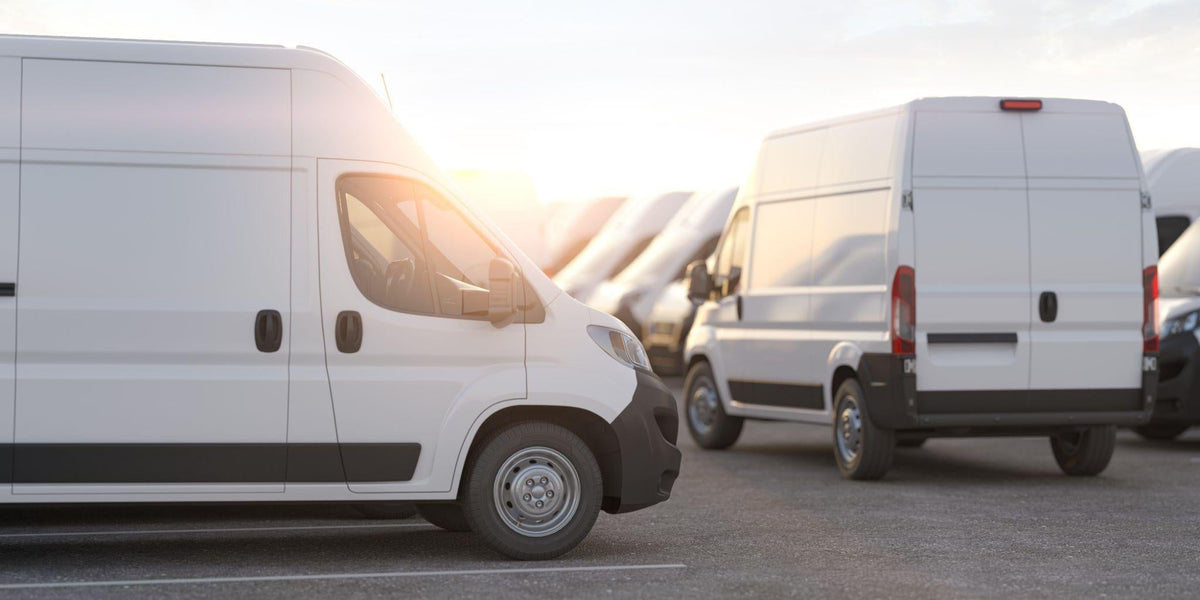
In the world of logistics and commercial transport, the vehicle is often viewed as a collection of mechanical parts, such as the engine, the transmission, and the cargo capacity. However, for the drivers who spend eight to ten hours a day behind the wheel, the most critical component is arguably the seat. Fleet managers looking to upgrade their vehicles must recognize that seating is not just a matter of comfort; it is a vital investment in driver health, safety, and long-term operational efficiency. Choosing durable promaster van seats for daily use requires a balance between rugged materials and ergonomic engineering to withstand the rigors of high-frequency entry and exit.
Prioritizing Material Longevity and Maintenance
The primary challenge for any fleet seat is the sheer volume of wear and tear it endures. Commercial drivers are constantly sliding in and out of the cabin, which places immense stress on the side bolsters and the fabric. When selecting an upgrade, material choice is paramount. High-grade vinyl or heavy-duty automotive cloth is the industry standards for a reason. Vinyl offers unparalleled ease of cleaning, which is essential for fleets in the construction or delivery sectors where dirt and spills are common. However, for drivers in warmer climates, breathable, reinforced cloth may be preferable to prevent heat buildup.
Beyond the surface material, the quality of the internal foam is what determines the seat’s lifespan. Standard seats often utilize low-density foam that compresses and loses its shape over time, leading to what is known as bottoming out. If you need to upgrade a fleet, go for high-resiliency, cold-molded foam. This material is designed to retain its structural integrity for hundreds of thousands of miles, ensuring that the driver remains supported and comfortable from the first stop of the day to the last.
Ergonomics as a Driver Retention Tool
The physical toll of professional driving can lead to chronic back pain and fatigue, which are leading causes of driver turnover and absenteeism. An ergonomic seat upgrade is a proactive way to protect your workforce. A durable van seat should offer multiple points of adjustment, including lumbar support, seat height, and tilt. The ability to customize the seating position allows drivers of different heights and builds to maintain a neutral spine position, reducing the risk of musculoskeletal injuries.
Suspension seats are an increasingly popular choice for heavy-duty fleet upgrades. These seats utilize a mechanical or air suspension system built into the base to absorb the vibrations and shocks from the road. By isolating the driver from the constant jarring of uneven pavement, suspension seats significantly reduce physical exhaustion. In the long run, the cost of a higher-quality seat is far lower than the costs associated with injury claims or the constant need to recruit and train new drivers.
Integrating Safety and Compliance Features
When upgrading seating, it is essential to ensure that the new components are fully compatible with the vehicle’s safety systems. Modern vans are equipped with complex airbag systems, some of which are integrated directly into the seat structure. Any replacement must be crash-tested and certified to meet or exceed federal motor vehicle safety standards. Furthermore, the seat must be compatible with the existing seatbelt pretensioners and electronic sensors that monitor occupant weight.
Durable seating also means choosing hardware that remains secure under stress. The mounting brackets and adjustment rails should be made of reinforced steel to prevent rattling or loosening over time. A seat that moves or shakes during transit is not only a distraction but a potential safety hazard. By focusing on robust construction and safety compliance, fleet managers can ensure that their vehicles remain reliable assets that protect both the driver and the company’s bottom line.
Conclusion
Upgrading a fleet’s seating is a strategic move that pays dividends across the entire organization. By selecting seats built with resilient materials and ergonomic foresight, managers can improve the daily lives of their drivers while reducing long-term maintenance costs. A durable seat serves as the foundation of the driver’s workspace, providing the stability and support necessary to navigate the challenges of the road. In an industry where efficiency is everything, the value of a comfortable, healthy, and focused driver cannot be overstated. Investing in quality seating today ensures a more productive and satisfied fleet for the thousands of miles ahead.


More Stories
Why Remanufactured Transfer Cases Deliver Exceptional Performance
Revving Up the Future: How AI is Steering the Automotive Revolution
Revving Up the Future: How Electric Cars Are Driving a Green Revolution