
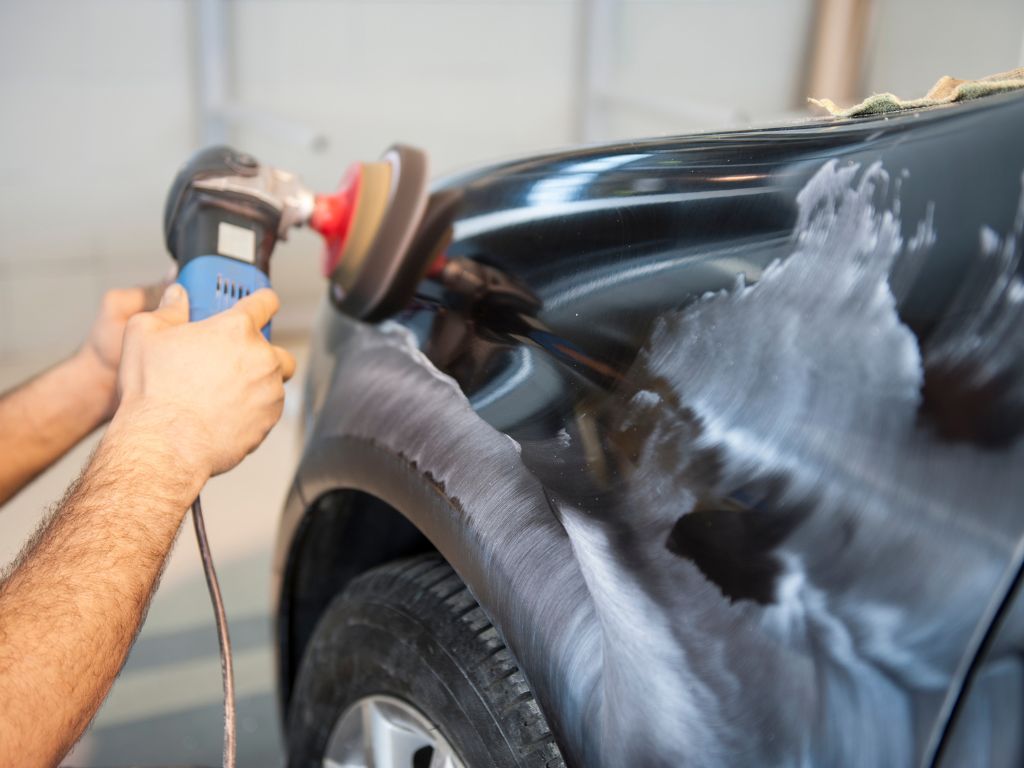
In the world of automotive care, paint correction is often misunderstood, sometimes lumped in with car waxing or polishing. But in reality, it’s a detailed process that addresses the imperfections on your car’s surface like swirl marks, light scratches, and oxidation to restore its clarity and depth. At Top Tier Detailing, vehicle owners get a reliable service that combines technical knowledge with a commitment to quality results. When done right, just make your car look better; it preserves the finish and protects your investment.
This guide breaks down what really involves, what causes surface defects in the first place, and why professional attention is essential for maintaining your car’s finish over the long term.
What Causes Paint Imperfections?
Even if you’re careful with your vehicle, paint damage is almost inevitable over time. Tiny defects accumulate from various sources:
- Improper washing techniques – Using rough sponges, dirty towels, or automatic car washes can cause swirl marks and micro-scratches.
- Environmental exposure – UV rays, acid rain, road salt, bird droppings, and tree sap degrade clear coat layers over time.
- Everyday wear – Even dust and debris kicked up while driving can gradually impact the paint’s surface.
The damage might not always be noticeable at first glance, but under certain lighting conditions especially direct sunlight or LED lights those swirl marks and faded spots become all too visible.
Surface Refinement vs. Detailing: What’s the Difference?
While detailing focuses on thorough cleaning and restoring the overall appearance inside and out, surface refinement is all about improving the clarity and condition of the vehicle’s finish. It involves the use of specialized tools, pads, and polishing compounds to gently remove a fine layer of the clear coat—leveling out imperfections on the surface.
There are three general levels of this process:
- Single-Stage Refinement: Targets light swirl marks or mild oxidation. Ideal for newer vehicles or those with minimal surface flaws.
- Two-Stage Refinement: Begins with a cutting compound followed by a polishing step. Best suited for moderate imperfections.
- Multi-Stage Refinement: Designed for severely damaged finishes. This involves several rounds of correction and inspection to restore clarity.
Unlike waxes or sealants, which only mask defects temporarily, this process physically removes surface blemishes, leaving a cleaner and more consistent finish.
Why DIY Surface Refinement Isn’t Always the Best Option
With so many at-home kits and tools on the market, it’s tempting to attempt surface restoration on your own. However, without proper experience, there’s a high risk of causing more harm than good. Using the wrong pads, applying too much pressure, or using incorrect techniques can result in thinning the clear coat or creating holograms with faint, circular marks visible under direct light.
Professional services, like those provided by Top Tier Detailing, have the expertise, equipment, and techniques needed to do the job right. More importantly, professionals can accurately assess your vehicle’s paint condition and recommend the right approach, minimizing risk and delivering long-lasting results.
The Process Behind Professional Surface Restoration
Professional surface restoration is not a one-size-fits-all process. It begins with careful preparation and follows a step-by-step approach designed to deliver long-lasting results:
1. Inspection and Paint Depth Measurement
Before starting, technicians use tools like paint depth gauges and specialized lighting to assess the current condition of the paint. This step helps determine how aggressive or gentle the approach should be.
2. Decontamination Wash
The car is washed and then treated with a clay bar to remove embedded contaminants like tar, brake dust, and industrial fallout. This ensures a smooth surface for polishing.
3. Taping Off Trim and Sensitive Areas
To avoid damaging rubber trims, plastic moldings, and edges, all non-painted surfaces are masked off. This keeps the process clean and controlled.
4. Machine Polishing
Technicians use dual-action or rotary polishers with specific pad and compound combinations based on the paint condition. It’s a slow and meticulous process that requires patience and attention to detail.
5. Inspection Between Passes
After each stage, lights are used to check for progress. This step-by-step approach prevents over-polishing and confirms whether additional passes are needed.
6. Final Polish and Sealant
Once correction is complete, a finishing polish restores gloss. Finally, a ceramic coating or wax may be applied to preserve the newly refined finish and offer protection from UV rays and contamination.
Common Misconceptions About Surface Restoration
There are several misunderstandings about what professional surface restoration actually achieves. Here are some of the most common myths debunked:
- “It’s the same as waxing.”
Wax hides imperfections temporarily, but it doesn’t fix them. It physically removes the damage. - “It’ll fix deep scratches.”
Not always. If the scratch penetrates beyond the clear coat, touch-up paint or more advanced bodywork may be required. - “All cars need a full correction.”
Not necessarily. Many newer vehicles or well-maintained ones only need a single-stage correction, saving both time and money. - “Once it’s done, it never needs to be repeated.”
Daily driving and exposure to elements will slowly introduce new imperfections, although proper washing techniques and protective coatings can extend the results.
Protecting Your Paint After Correction
Once your vehicle’s surface has been corrected, it’s important to keep it that way. Here are some ways to preserve the finish:
- Two-bucket wash method: One for soapy water, the other for rinsing your mitt. This prevents dirt from being reintroduced during washing.
- Use microfiber towels: High-quality, soft towels reduce the chance of scratching during drying or cleaning.
- Apply ceramic coatings or wax regularly: These add a layer of defense against environmental elements.
- Avoid automatic car washes: Brush-based systems are a primary source of swirl marks.
Top Tier Detailing also provides guidance on how to maintain your paint after service. A properly maintained vehicle not only looks great but can also retain its resale value more effectively.
Final Thoughts
Whether you’re preparing your car for a show, planning to sell it, or just want it to look its best every day, paint correction offers real, visible benefits. It’s a focused solution to years of wear and tear on your vehicle’s finish done professionally, it can restore your car’s shine with precision and care. For those located in and around Livonia, MI, Top Tier Detailing is the trusted name in automotive paint restoration and detailing services.
To learn more or schedule an appointment, visit https://toptierdetailingllc.com.


More Stories
Why Remanufactured Transfer Cases Deliver Exceptional Performance
Revving Up the Future: How AI is Steering the Automotive Revolution
Revving Up the Future: How Electric Cars Are Driving a Green Revolution